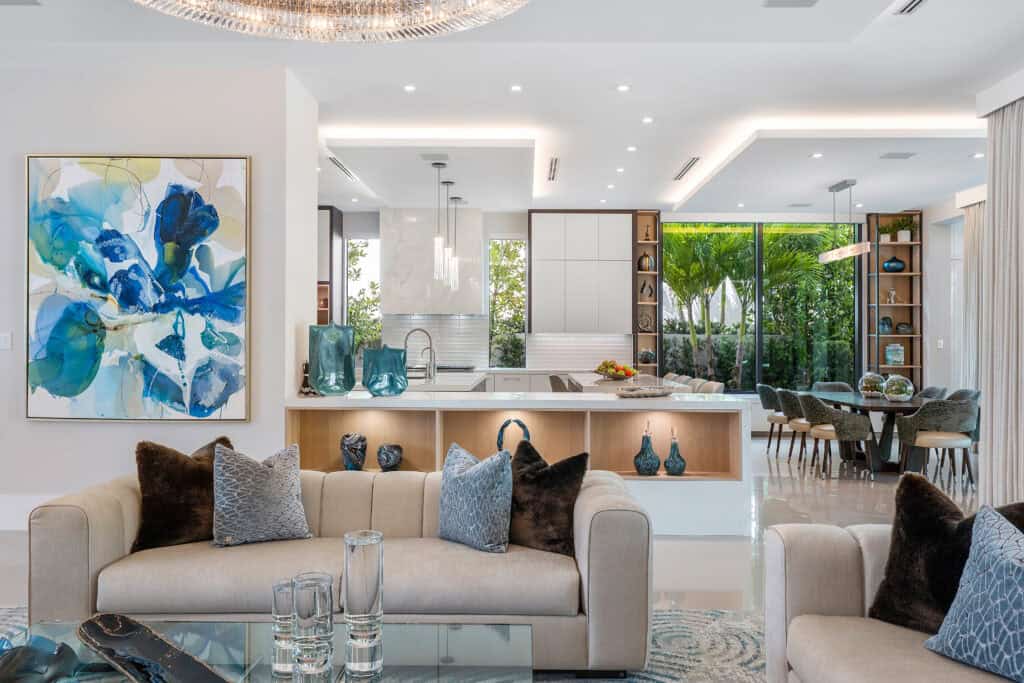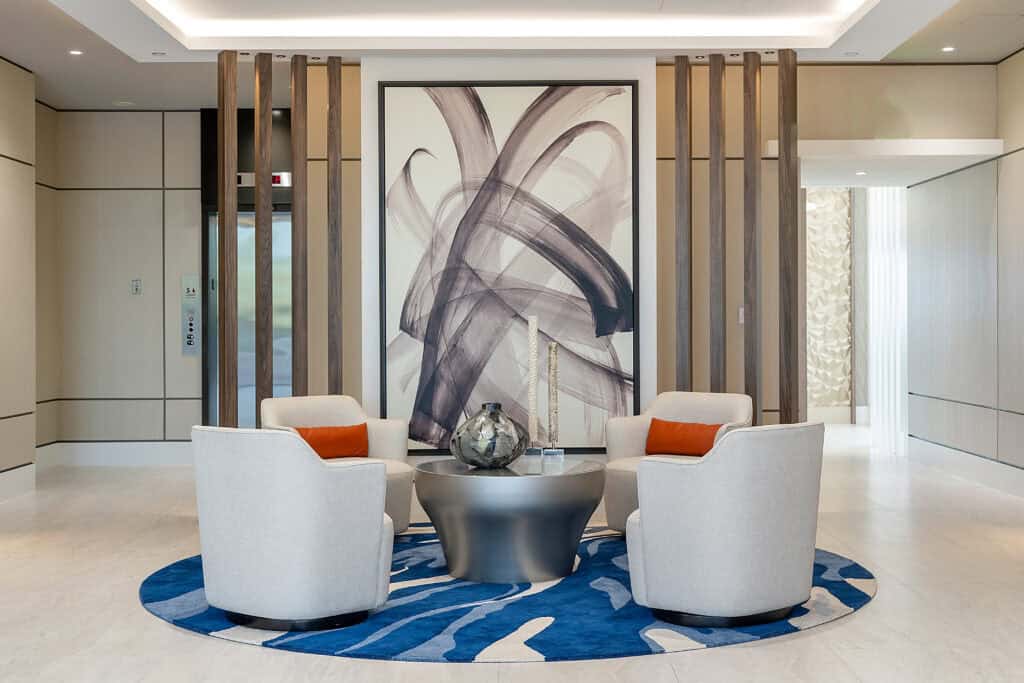
Color, texture, stone, wood, fabric, and lighting all shape the feeling of a room. While furniture and styling often receive the most attention, it is the finishes that create the foundation of a space. They influence how a room feels, how it functions, and how well it ages over time.
An elevated interior does not come from choosing the most expensive material in every category. It comes from selecting finishes with intention. The right combination should feel beautiful, balanced, appropriate for the architecture, and personal to the people who live or work there.
At Brown Design Group, finish selections are approached as part of the larger design story. Every surface, texture, and detail should support the way a space is experienced, from the first impression to the everyday moments that happen within it.
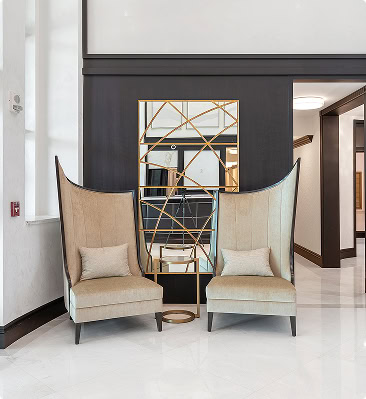
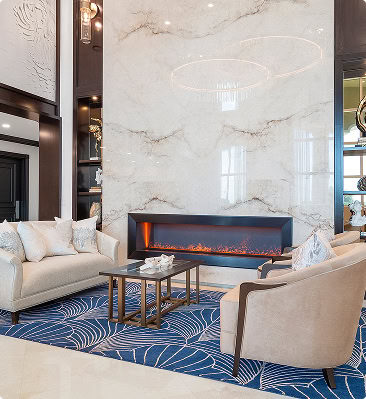
Start With the Feeling You Want to Create
Before selecting stone, paint, tile, wood, or fabric, it is important to understand the atmosphere of the space. Should it feel calm and understated? Warm and layered? Crisp and modern? Rich and dramatic?
The most successful interiors begin with a clear emotional direction. This helps every finish decision feel connected rather than random.
For example, a serene coastal residence may call for soft natural stone, pale woods, linen textures, and diffused lighting. A more formal entertaining space may lean into deeper wood tones, polished metals, dramatic stone movement, and tailored upholstery.
When the feeling is defined first, the finishes can work together to create a cohesive experience.
Choose Materials That Belong to the Architecture
Enduring design respects the bones of the space. The architecture should guide the finish palette, not fight against it.
A Mediterranean-style home, a contemporary waterfront residence, and a traditional estate each call for different material choices.
The goal is not to recreate a period style exactly, but to select finishes that feel natural within the home’s structure, proportions, and surroundings.
Wood flooring, cabinetry profiles, stone selections, hardware, and lighting should all feel like they belong. When finishes are disconnected from the architecture, a space can quickly feel overly trendy or forced.
A timeless room feels like it was always meant to be that way.
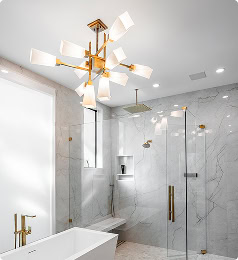
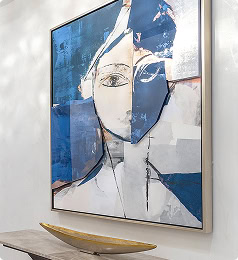
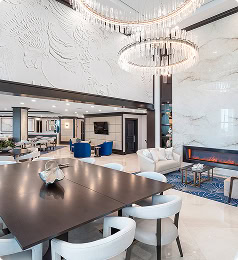
Build a Balanced Palette
An elevated finish palette usually includes a thoughtful balance of contrast, texture, tone, and scale. Too many similar materials can feel flat. Too many competing materials can feel busy.
A strong palette often includes:
- A grounding material, such as wood, stone, or tile
- A softer element, such as fabric, wallcovering, or upholstery
- A subtle contrast, such as metal, lacquer, or glass
- A quiet neutral or color story that ties everything together
The key is restraint. Every finish should have a reason for being included. When materials are edited carefully, the space feels more refined.
Think Beyond Trends
Trends can be useful for inspiration, but they should not drive every decision. Finishes are often the most permanent parts of a design. Flooring, stone, cabinetry, tile, plumbing, and lighting are not as easy to change as pillows or accessories.
That does not mean a space should feel safe or predictable. It means the most lasting design choices are usually rooted in quality, proportion, and personal relevance rather than short-lived popularity.
A bold stone, a rich wall color, or a statement fixture can absolutely feel timeless when it supports the overall design. The difference is intention. Trend-driven spaces often feel copied. Enduring spaces feel considered.
Layer Texture for Depth
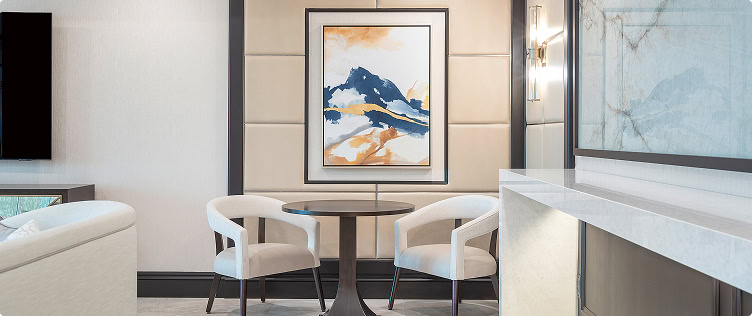
Texture is one of the most important elements in making a space feel elevated. Even a neutral room can feel rich and complete when the textures are layered well.
A room with smooth stone, warm wood, woven fabric, plaster walls, brushed metal, and soft upholstery will feel more dimensional than a room that relies on color alone.
Texture also affects how a space feels physically. Matte finishes often feel soft and understated. Polished surfaces feel more formal and reflective. Natural materials bring warmth and variation. Tailored fabrics add structure.
The most beautiful interiors usually have a mix of smooth, soft, refined, and organic finishes.